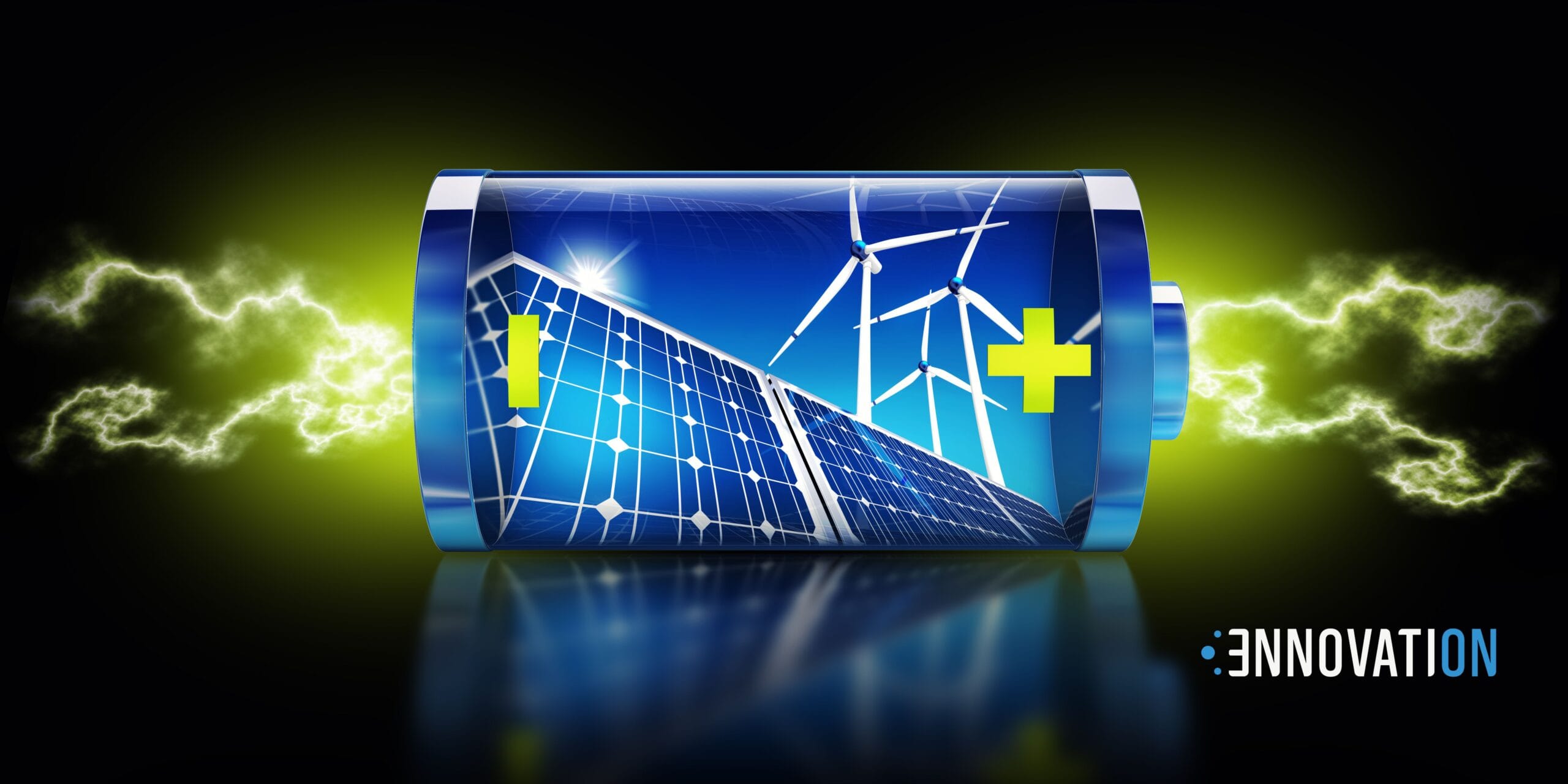
Choosing the right type of battery isn’t just a matter of technology – it’s a decision that affects the profitability, reliability, and environmental impact of the entire solution. Among the available options on the market, two technologies are most commonly compared: classic lead-acid batteries and modern lithium-ion batteries. Both have their advantages and limitations, and the optimal choice depends on the specific application and user expectations.
What Are Lead-acid and Lithium-ion Batteries?
| Lead-acid Batteries – Definition and How They Work | Lithium-ion Batteries – Definition and How They Work |
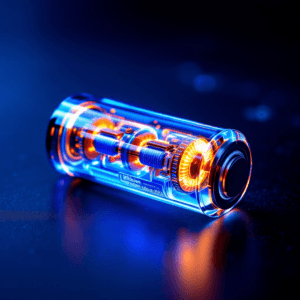
| Lead-acid batteries are the oldest type of rechargeable batteries used for energy storage. They consist of two electrodes: a positive one made of lead dioxide and a negative one made of metallic lead, both submerged in an electrolyte—typically sulfuric acid. While this technology has a relatively low energy density and shorter life cycle compared to newer solutions, its advantages include low production costs and a proven, stable design. Lead-acid batteries are commonly used in internal combustion vehicles (for starting), forklifts, uninterruptible power supplies (UPS), and certain low-power electric vehicles. | Lithium-ion batteries are modern energy sources that have gained massive popularity over the past two decades. They operate by allowing lithium ions to flow between a graphite anode and a metal oxide cathode through an electrolyte. Unlike lead-acid batteries, they don’t contain liquid acid, and their design is more compact and energy-efficient. Lithium-ion batteries offer higher energy density, longer lifespan, faster charging, and reduced energy losses. They are widely used in laptops, smartphones, electric bikes and cars, and also in stationary energy storage systems and large transportation fleets. |
 |  |
Comparison: Lead-acid vs Lithium-ion Batteries
Criteria | Lead-acid Batteries | Lithium-ion Batteries |
| Energy Density & Range | 30–50 Wh/kg – low energy density, shorter range | 150–250 Wh/kg – high energy density, longer range and extended usage time |
| Charging Time | 6–12 hours – slow charging, impractical for frequent or high-demand use | 1–4 hours (or less with fast charge) – quick and convenient charging |
| Lifespan & Durability | 300–500 cycles – short lifespan, sensitive to deep discharges | 1,500–3,000 cycles – longer lifespan, better tolerance for deep discharges |
| Cost (Purchase & Operation) | Lower initial cost, but higher total cost of ownership due to short lifespan and frequent replacements | Higher initial cost, but lower TCO – an investment that pays off over time |
| Performance in Various Conditions | Reduced performance in low temperatures, higher maintenance needs (e.g. electrolyte refill) | Stable performance across a wide temperature range, minimal maintenance required |
| Environmental Impact | Contains lead and sulfuric acid – toxic, requires careful recycling, higher contamination risk | Less toxic, though production consumes more raw materials; recycling is improving steadily |
The use of lead-acid and lithium-ion batteries in electromobility
Battery technology plays a crucial role in choosing the right power source for electric vehicles. Depending on the user’s needs, budget, and technical requirements, both lead-acid and lithium-ion batteries are used in e-mobility—but in very different segments.
Lead-acid Batteries – Where Are They Used?
Thanks to their low cost and simple construction, lead-acid batteries are still used in:
- Low-power vehicles: such as electric wheelchairs and some older or budget models of electric scooters or bikes.
- Forklifts and warehouse vehicles: especially where scheduled nighttime charging is possible and high performance isn’t critical.
- Municipal utility vehicles: such as street cleaners, where speed and range are less important than low cost.
- Auxiliary power systems (12V): in hybrid and electric vehicles, providing power to onboard electronics.
Lithium-ion Batteries – Dominant Applications
Due to their high performance, fast charging, and high energy density, lithium-ion batteries are now the standard in modern e-mobility, including:
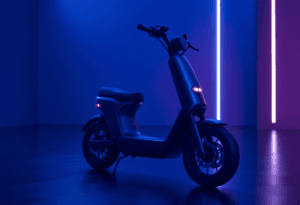 | 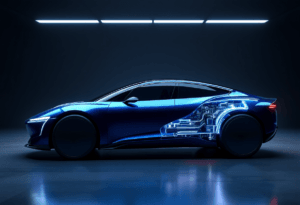 |  |  |
| Electric scooters and bikes | Electric cars | Electric buses and municipal fleets | Energy storage systems |
| newer models rely exclusively on lithium-ion technology, offering greater range and faster recharging. | virtually all current models (Tesla, Volkswagen ID.4, Nissan Leaf, Hyundai Ioniq, etc.) use lithium-ion cells. | vehicles like the Solaris Urbino Electric or Mercedes eCitaro are equipped with high-capacity lithium-ion batteries. | both residential (e.g., Tesla Powerwall) and industrial solutions use lithium-ion due to their efficiency and longevity. |
Summary: Which battery technology to choose?
| Lead-acid batteries Lead-acid batteries are still useful in simple, economical solutions with low energy demand. If the key criterion is low initial cost and the vehicle will be used only occasionally or in simple conditions, a lead-acid battery may be a justified choice. |
|
| Lithium-ion batteries Lithium-ion batteries dominate in vehicles with higher requirements – offering better performance, longer operating time, and lower weight. If the customer values performance, reliability, longer range, and lower costs in the long run, a lithium-ion battery will definitely be the better solution. |