Fuel cells
Selection and integration of fuel cell modules tailored to vehicle requirements, operating profile and project assumptions.


We provide support in the design and integration of hydrogen drive systems for utility and specialist vehicles. Our services cover the entire process — from concept and component selection to building a complete drive system and integrating it with an existing vehicle.
Discuss your projectEnnovation Technology supports clients in the design and integration of hydrogen systems, combining expertise in automotive, electric drives, battery systems and software.
With hydrogen drive systems, clients gain:
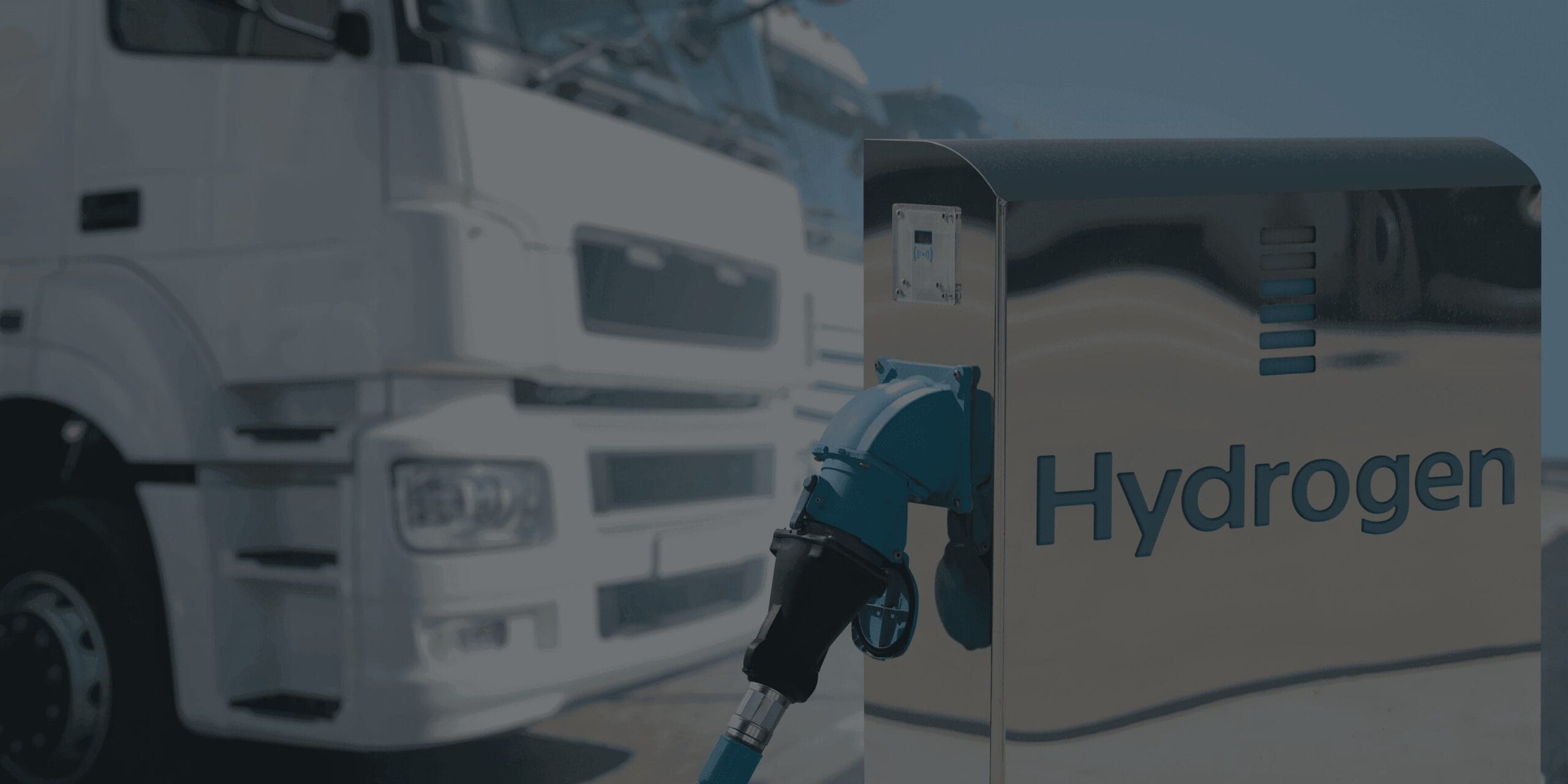
We build complete drive systems by combining mechanical, electrical, hydrogen and control components into one functional and safe system.
Selection and integration of fuel cell modules tailored to vehicle requirements, operating profile and project assumptions.
Design and integration of batteries supporting the operation of the hydrogen system and electric drive.
Selection of the electric motor, integrated gearbox and drive system components.
Design of dedicated controllers enabling management of the entire drive system.
Control algorithms tailored to the specific vehicle, components and client requirements.
We focus on a comprehensive approach and partnership-based cooperation, which is why we tailor our projects to clients’ individual needs — not the other way around. In hydrogen projects, we guide the client through five main areas of cooperation.
We begin the process with a client consultation. Based on this, our engineering team prepares an individual design tailored to the specific vehicle and its intended use. The design includes the placement of all necessary hydrogen system components.
Based on the project assumptions, we are responsible for selecting and delivering all required elements, such as fuel cell modules, compressed hydrogen storage system, battery system, electric motor, integrated gearbox and others. Components are selected within the assumed budget.
Before starting the work, we present a detailed project quotation covering both component costs and the integration service.
We carry out the full scope of mechanical and electrical work related to the installation of the drive system. We combine all components into a functional and safe system.
We design dedicated vehicle controllers that enable efficient management of the entire drive system. The controllers are tailored to the specific vehicle and client requirements.
As part of hydrogen drive integration projects, we supply and integrate key drive system elements — from the fuel cell module to control systems, batteries, power electronics and auxiliary components.
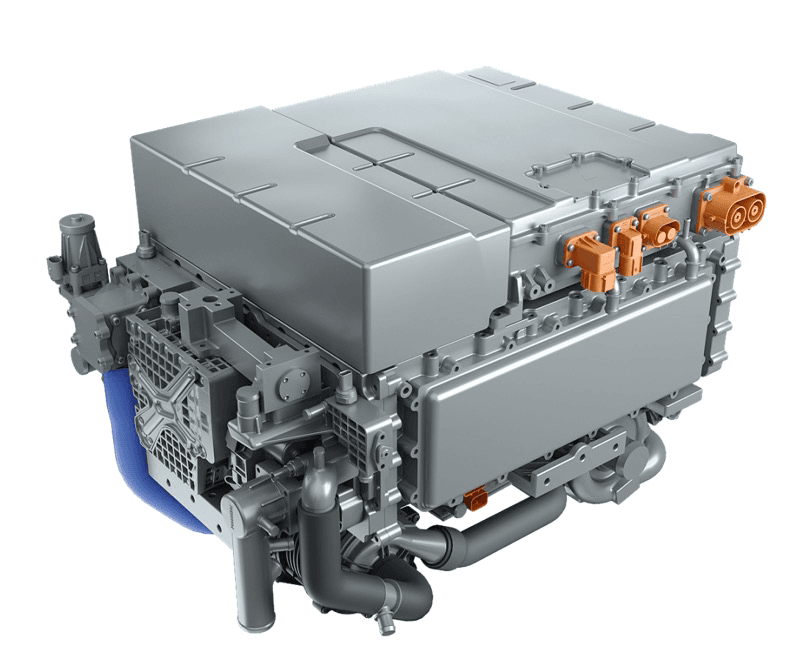
PEM hydrogen fuel cell module with a nominal power of 140 kW, integrated with BOP, ECU, DC/DC converter and its own cooling system.
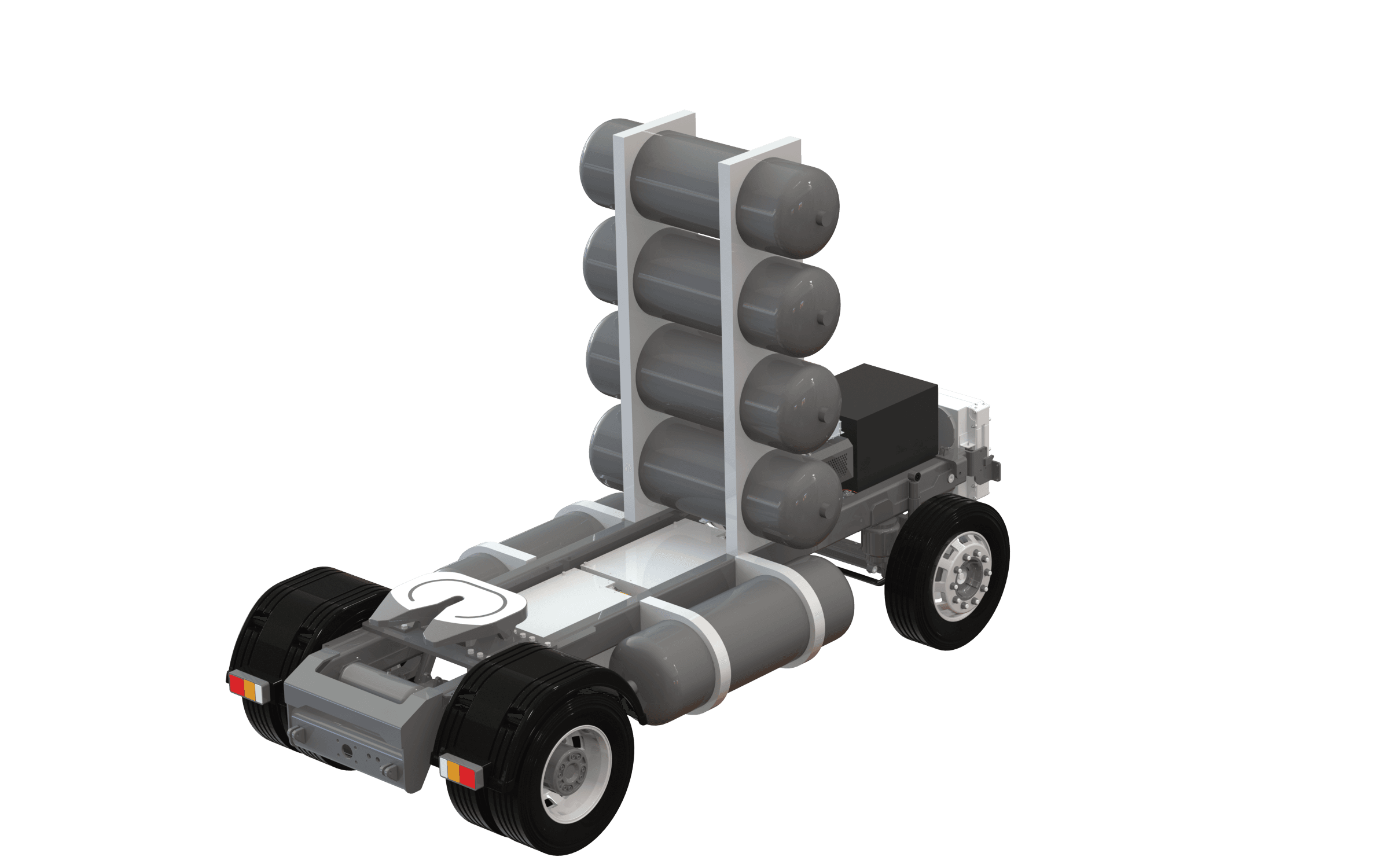
A set of Type IV tanks for storing hydrogen at 700 bar, equipped with OTV valves, TPRD safety devices and an H70 refuelling connector.
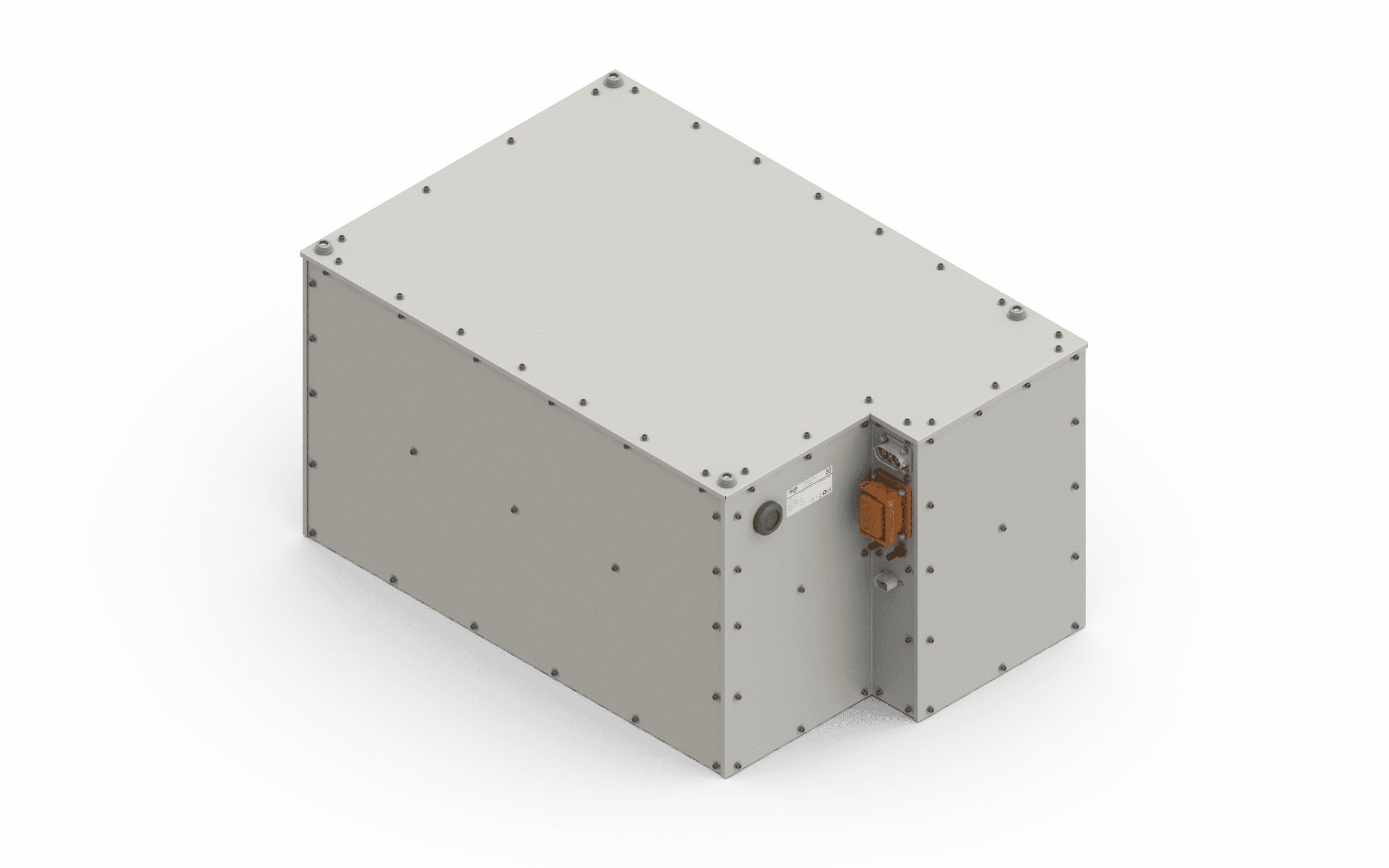
A proprietary battery system supporting fuel cell operation, energy recovery and drive stabilization, equipped with liquid cooling and an advanced BMS.
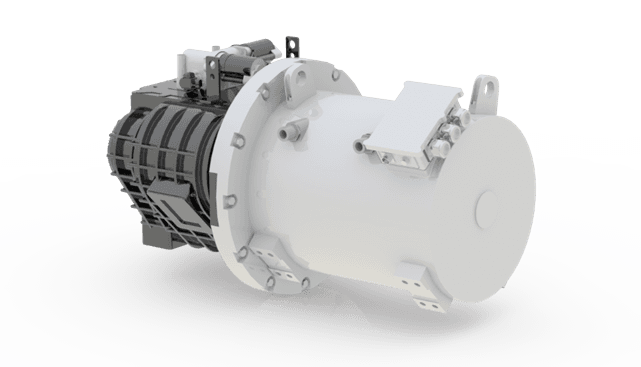
A centrally mounted electric motor with 360 kW continuous power and 500 kW peak power, integrated with a 4-speed gearbox.
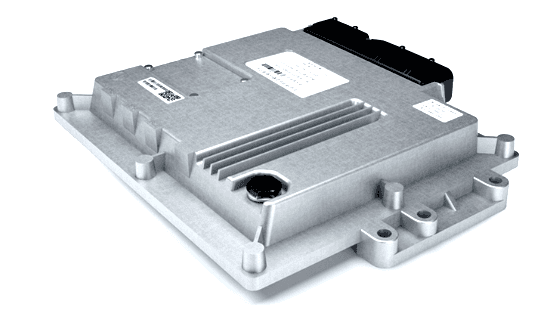
A proprietary vehicle controller enabling component integration, parameter adjustment to client requirements and implementation of dedicated functionalities.
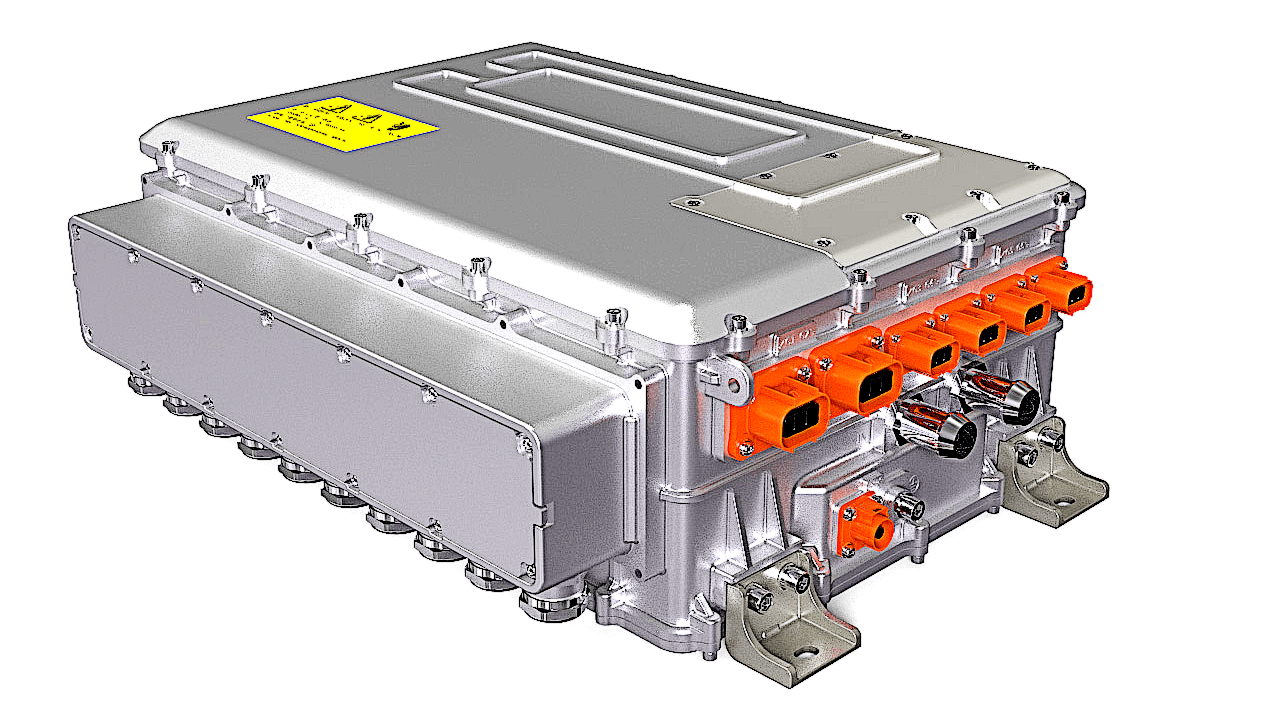
A power electronics module integrating key energy management components, simplifying the system architecture and reducing installation space.
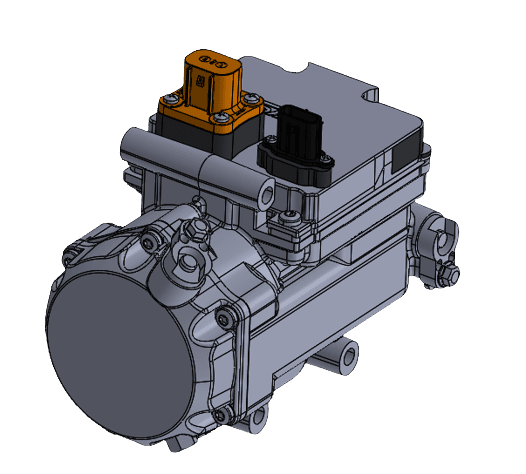
An electric air-conditioning compressor independent of the engine, used in vehicles with fuel-cell-based systems.
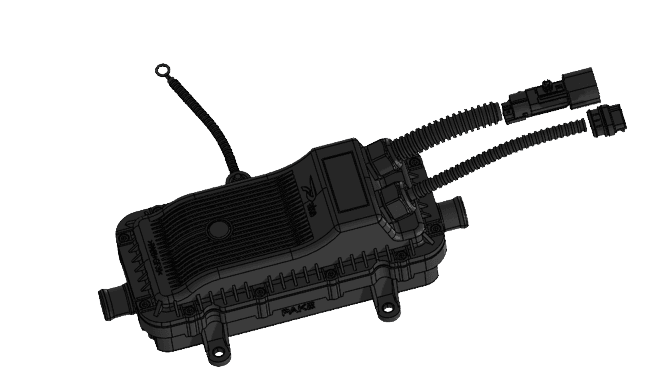
An electric heat source providing thermal comfort in the cabin of a hydrogen-powered vehicle, fast-acting and compact.
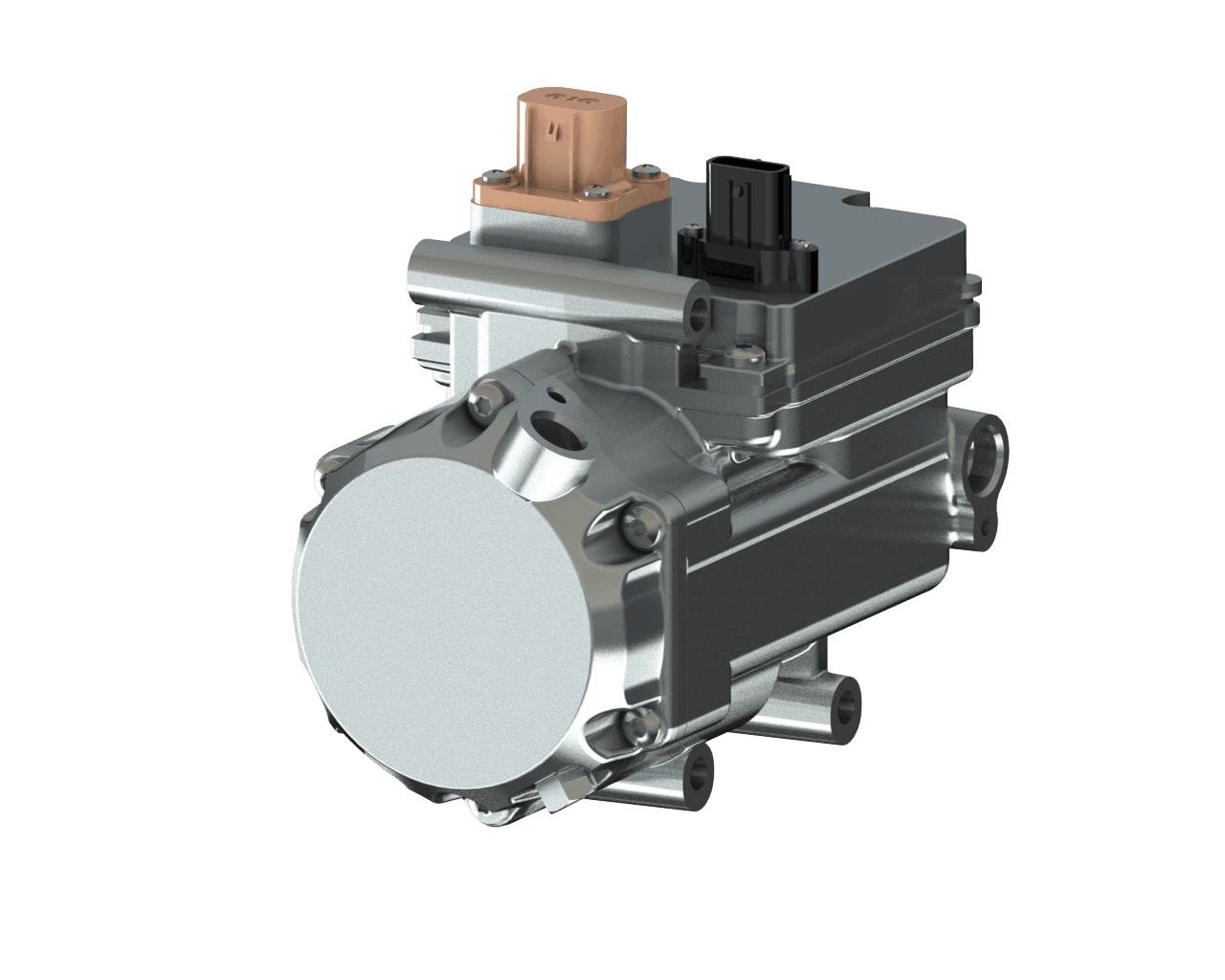
An electric oil pump individually selected for the parameters of the hydraulic system, operating independently of the traction motor.
An example of complete hydrogen drive integration carried out by the Ennovation Technology team.
We combine engineering experience, R&D facilities and expertise in electric drives, batteries and energy management systems.
We carry out projects that require an individual technical approach and solutions tailored to a specific application.
We design and integrate HV batteries supporting the operation of electric and hydrogen drives.
We are responsible for design, component selection, mechanical installation, electrical integration and control.
How does Ennovation ensure the safety of the hydrogen system and prevent leaks?
Our company places a strong emphasis on the safety of the hydrogen system at every stage of vehicle design and integration. To minimize the risk of leaks, high-quality hydrogen system connections and appropriate sealings are used already at the design stage.
Are hydrogen sensors installed in Ennovation vehicles, and how do they enhance vehicle safety?
Hydrogen sensors are a crucial part of the safety system in hydrogen-powered vehicles. Their primary function is to detect potential gas leaks as early as possible. In vehicles designed by Ennovation, sensors are placed in critical areas, such as beneath the driver’s cabin and near the fuel cell module. This strategic placement allows for quick detection of threats and immediate system response, significantly increasing safety for both the user and the vehicle.
How are the batteries cooled, and how does this affect their lifespan?
The batteries are equipped with a liquid cooling system that maintains optimal operating conditions for the lithium-ion cells. Cooling prevents overheating of the cells, which improves performance and extends their lifespan.
Does the battery system for hydrogen drives meet safety standards?
Yes. The systems we design include an advanced Battery Management System (BMS) that monitors cell operation and detects conditions such as thermal runaway and thermal propagation. These functions comply with the UN ECE R100.03 type approval requirements, ensuring a high level of safety.
What is the hydrogen storage system in the Ennovum H670 tractor made of?
The system consists of four Type IV tanks, constructed with an inner layer of HDPE (High-Density Polyethylene) reinforced with a carbon fiber composite. The tanks are located behind the driver’s cabin and operate at a nominal pressure of 700 bar.
What safety features do the hydrogen tanks have?
Each tank is equipped with an OTV (On-Tank Valve), which allows for refueling, supplying hydrogen to the fuel cells, and safely venting the gas in emergency situations. Additionally, thermal protection devices (TPRDs) are used to release hydrogen in case of excessive temperature rise.
Contact our expert.